
In today’s world, it is essential to respond to changes in the market brought about by new legislation and the growing demand for environmentally friendly solutions, particularly the need to reduce the carbon footprint. Daikin has always anticipated and supported these changes. The result is a new range of VRV units using refrigerant R744 (CO₂), designed for the European market. Specifically, it consists of two types of equipment: ceiling cassettes and concealed ceiling units.
Daikin’s strategy is to select the most suitable refrigerant for each product type, focusing on four key factors: safety, energy efficiency, environmental impact, and total life-cycle cost. The introduction of the first VRV system using CO₂ confirms Daikin’s commitment to decarbonization. It is a strategic step in the VRV segment toward environmental sustainability.
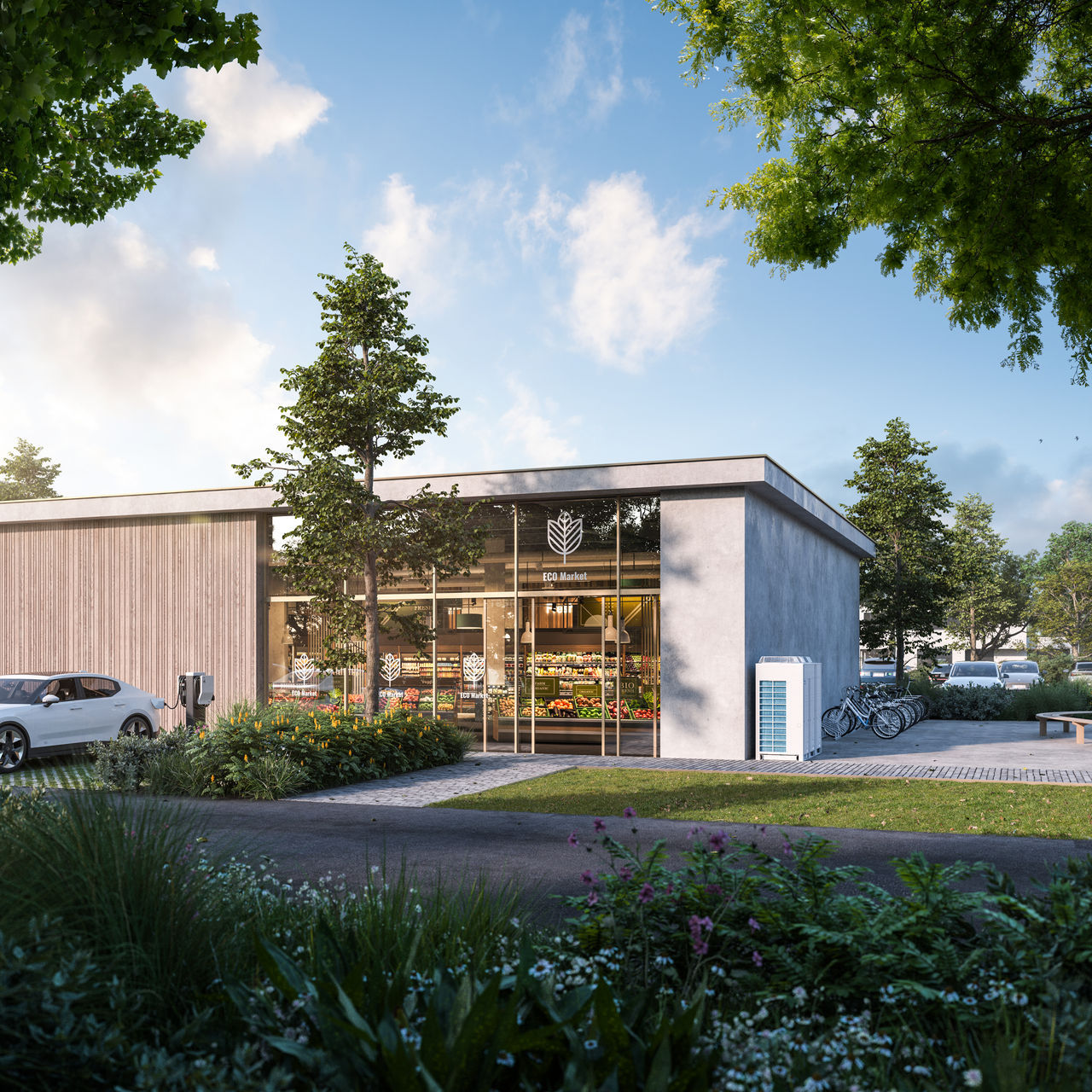
The use of R-744 (CO₂) brings several key advantages. CO₂ is a so‑called natural refrigerant, classified as non‑flammable and offering the lowest possible global warming potential (GWP = 1). As with all VRV systems, units using CO₂ refrigerant are easy and quick to design and install, offering precise control of individual climate zones with fast response.
One of the major development challenges for these units is the higher operating pressure of the refrigerant (up to 12 MPa), which is necessary for its proper operation. This places higher demands on the materials used in the unit as well as on the testing processes. It also required modifications to test chambers to ensure they can safely accommodate this type of refrigerant.
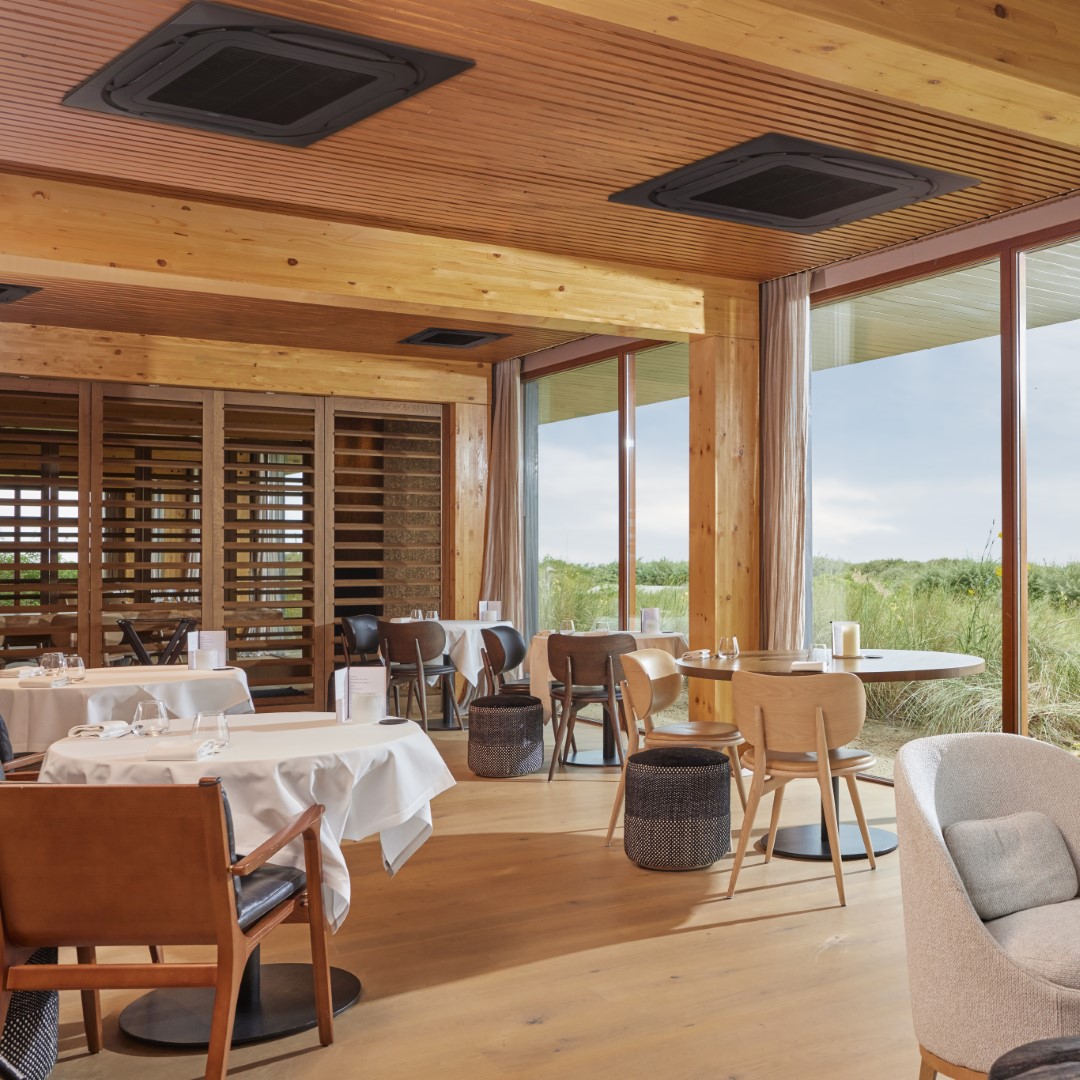
The CO₂ VRV retains all the typical advantages of VRV systems: easy and fast design and installation, and precise climate zone control with rapid response. New software enables the use of the latest control systems, such as Daikin Cloud Plus. By adding CO₂ to the extensive VRV portfolio, this innovation expands market options and creates a foundation for further development of natural-refrigerant units while increasing their efficiency. The unit is targeted at decarbonization initiatives, including supermarkets and retail spaces, providing comfortable cooling, heating, and ventilation within a single system using a natural refrigerant.